The modern electronic devices are constantly in search of more efficiency in all aspects. One of the most important criteria that enhances the value of a device is the amount of power consumed by it. With device manufacturers moving towards an environmentally friendly green computing and clean energy concepts, it becomes imperative to design circuits that are power efficient. For example, a standalone battery-powered device such as a smartphone, one of the key factor that a customer will explore before buying will be battery life. Hence power management while designing an embedded system is essential to utilize the available power efficiently.
Classification of Embedded Systems based on Power
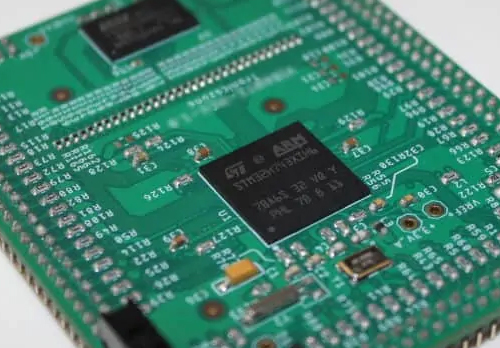
Almost all our day-to-day electrical and electronic devices are designed using embedded systems. An embedded system usually comprises of a microcontroller such as ARM, also FPGAs, microprocessors, ASICs and Digital Signal processors along with memory and input and output peripherals. Embedded-system based devices are efficient in multitasking, and are also capable of interfacing with the other networks and devices.
Based on the type of power consumption embedded systems are classified into two types. Portable and Non-portable. Portable devices depend on inbuilt battery for power. They can be charged and can be used on the go. Some examples of portable systems are digital cameras, handheld GPS systems, mobile phones etc. Lithium-ion batteries are the preferred in recent devices due to a highly robust charge discharge cycle. Nonportable devices require continuous connection to a source of power. More than the non-portable systems, portable systems are the primary areas of concern, where power management is essential.


 admin
admin